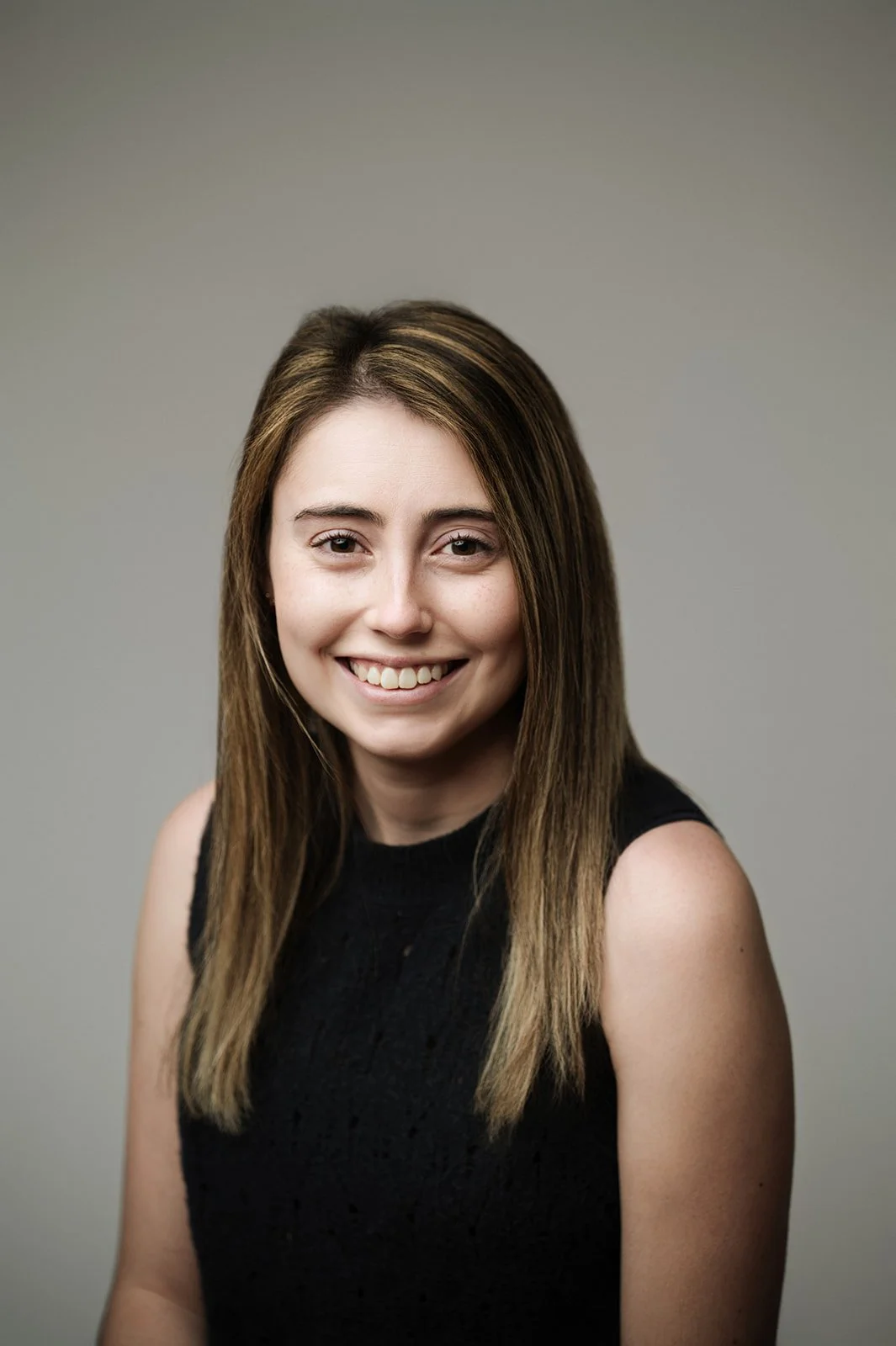
Eating Disorder & Body Image Therapy for Young Adults in Connecticut
Specialized virtual therapy for eating disorders, disordered eating, and body image concerns throughout Connecticut.
“You were never meant to spend your life fighting food, your body, or yourself. There is so much more waiting for you outside of the rules.”
— Kendra Dascano, LPC-A

It’s exhausting when food and your body take up this much space.
Somewhere along the way, eating became more complicated than just eating when you’re hungry and moving on with your day.
There are rules about what you should eat, how much is too much, what foods are “good” or “bad,” and what your body is supposed to look like.
You find yourself planning, comparing, avoiding, or promising yourself you’ll “do better” tomorrow.
Maybe getting dressed chanes your entire mood. A photo ruins your day. A meal comes with guilt, anxiety, or the urge to compensate for it later.
You keep thinking that if you could just eat right, have more control, or finally feel okay in your body, then you could relax.
But the rules keep changing. The goalpost keeps moving.
And somewhere in all that thinking about food, your body, and whether you’re doing it right, there’s less space for the things and the life that actually matter to you.
It’s time to stop letting food, your body, and the number on the scale decide how you get to feel about yourself.
Together, we’ll start challenging the rules you’ve created that tell you what you should eat, how you should look, and how much space you’re allowed to take up and make room for something freer.
As food becomes less complicated and your relationship with your body begins to shift, you’ll have more space for the things your eating disorder has been quietly stealing from you.
Imagine going out to dinner without studying the menu beforehand. Wearing the outfit without changing five times. Being in the photo instead of worrying about how you’ll look in it. Saying yes to the spontaneous plans instead of wondering what food will be there.
That life you keep telling yourself you’ll start living once you finally feel okay in your body?
Let’s start building that today. You deserve a life where food and your body no longer get the final say.
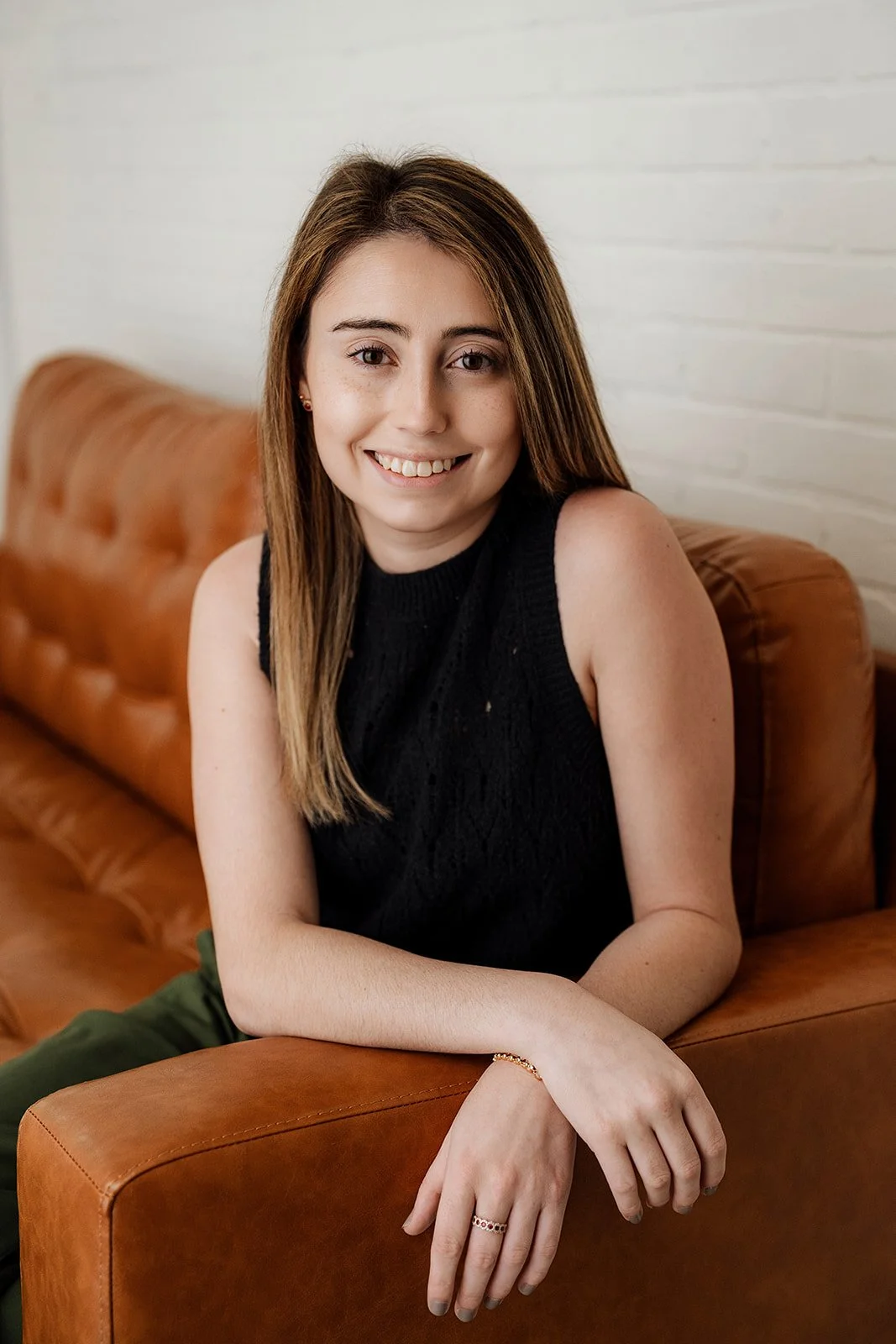
Meet the therapist who gets it.
I’m here to support you, challenge you, laugh with you, and remind you that your life gets to be about so much more than food and your body.
And when I say I get it, I mean it. Alongside my clinical training, I bring lived experience of eating disorder recovery into this work; something that deeply shapes the compassion and understanding I bring into the therapy room.
In our work together, we’ll get curious about the rules, fears, and beliefs that have been keeping you stuck and start building a relationship with food, your body, and yourself that feels more flexible, compassionate, and yours.
And no, I’m not here to convince you that you need to love every inch of your body every second of every day. We’re making space for something much bigger than that.
More freedom, connection and spontaneity. More room for the people, experiences, and things that actually matter to you.
If you’re ready to discover who you are outside of the food rules, body checking, and constant mental noise, I’m here to help you find your way back to you.
Because there’s a whole lot of life waiting beyond the rules.

Eating Disorders & Body Image Concerns I Work With
Anorexia Nervosa
Bulimia Nervosa
Binge Eating Disorder
ARFID
OSFED
Orthorexia
Disordered eating and chronic dieting
Food rules, fear foods, and anxiety around eating
Compulsive or rigid movement
Body image distress, body checking, and body avoidance
Eating disorders rarely exist in a vacuum. You may also be navigating OCD, perfectionism, low self-esteem, anxiety, depression, or difficult past experiences alongside your relationship with food and your body.
Our work will make space for the whole picture, not just eating disorder symptoms. When additional support is needed, I can also collaborate with eating disorder-informed dietitians, medical providers, psychiatrists, and other members of your treatment team to help ensure your care is connected and comprehensive.
How I Approach Eating Disorder Therapy
There’s no one-size-fits-all approach to eating disorder recovery. Our work will be individualized to you.
Depending on your needs, our work might look like challenging rigid food and body rules using Cognitive Behavioral Therapy (CBT), building skills for navigating difficult emotions using Dialectical Behavior Therapy (DBT), and learning to make room for uncomfortable thoughts, feelings, and urges without letting them dictate your choices using Acceptance and Commitment Therapy (ACT).
My approach to eating disorder and body image therapy is weight-inclusive and informed by Health at Every Size® (HAES®) principles. That means our work won’t center around shrinking your body, pursuing intentional weight loss, or treating a number on the scale as a measure of your health or worth.

Eating Disorder FAQs
-
You don't need to wait until things get worse or meet a certain picture of what an eating disorder is “supposed” to look like to deserve support.
If thoughts about food, weight, exercise, or your body are taking up more of your life than you want them to, that's enough reason to reach out. You also don't need a formal eating disorder diagnosis to begin therapy.
-
No. You can want things to change while simultaneously being terrified of what changing might mean. That ambivalence is incredibly common in eating disorder recovery.
You don't have to walk into therapy ready to give up every behavior, rule, or belief. We can start by getting curious about what the eating disorder is doing for you, what it's costing you, and what you want your life to look like beyond it.
-
I won't prescribe a goal weight or create your nutrition plan, that's outside my role as your therapist.
My approach is weight-inclusive, anti-diet, and HAES®-informed, which means therapy won't center on helping you intentionally shrink or control your body. If nutritional rehabilitation or weight restoration is clinically indicated, those recommendations are typically made in collaboration with an eating disorder-informed dietitian and medical provider.
-
Sometimes. Eating disorders can affect both physical and psychological health, so treatment often works best with a multidisciplinary team.
Depending on your needs, I may recommend working with an eating disorder-informed registered dietitian, medical provider, psychiatrist, or other specialist. With your permission, I can collaborate with your treatment team so your care feels connected rather than fragmented.
-
You can tell me that.
Therapy isn't a place where you need to convince me you're ready for something you're not. We can talk openly about the part of you that wants freedom and the part that's afraid to let go.
I may still be transparent when I'm concerned about your safety or believe you need additional support, but those conversations can happen with curiosity, honesty, and compassion, not shame.
-
Absolutely. You may be struggling with disordered eating, chronic dieting, food rules, body checking, compulsive exercise, guilt around eating, fear of weight gain, or feeling like food and your body control your day without having received a formal diagnosis.
You don't need a label before you're allowed to ask for help.
-
No, and body love isn't the finish line.
Our work can focus on building body respect, reducing body checking and avoidance, challenging beliefs you've learned about weight and appearance, and creating more space to live your life even on days when you don't particularly like your body.
The goal isn't to think your body looks amazing every day. It's for how you feel about your body to stop determining how much of your life you're allowed to live.
-
It's not too late.
Whether this is relatively new or eating disorder thoughts and behaviors have been part of your life for years, we can start with where you are now. Recovery doesn't require erasing your history, it means beginning to build something different from here.
-
Your safety and well-being come first. If it becomes clear that you need more support than once- or twice-weekly outpatient therapy can safely provide, I'll be transparent with you about my recommendations.
That might include a higher level of eating disorder care or additional members of your treatment team. When possible, I'll help you understand your options and navigate that next step rather than simply handing you a referral.
-
I provide virtual therapy for adolescents, teens, and adults throughout Connecticut, including Westport, Wilton, Ridgefield, Darien, Greenwich, Fairfield, Danbury, Stamford, Norwalk, New Canaan, Redding, and surrounding areas.
All sessions are held virtually, so you can access specialized therapy for eating disorders and body image, OCD, perfectionism, and self-esteem from anywhere in Connecticut.

Putting a name to what you’re experiencing can feel scary. If you recognize yourself in what you’ve read here, that’s enough reason to get curious. You don’t need to have the right label or be completely sure before reaching out. We can talk through what you’re experiencing together and decide what support might be helpful.